

ECI launches door-to-door survey under Special Intensive Revision (SIR); opposition, activists raise concerns over documentation, verification process, and impact on vulnerable communities.
June 30: The Election Commission of India (ECI) has begun the door-to-door phase of the Special Intensive Revision (SIR) of electoral rolls across Karnataka. The exercise, described by the Commission as an effort to create a “pure, accurate, and inclusive” electoral roll, aims to identify duplicate, deceased, shifted, and ineligible voters while ensuring that every eligible citizen is registered to vote.
Source : https://www.thehindu.com/news/national/karnataka/explained-special-intensive-revision-electoral-rolls-voter-list-debate-sir-citizens-citizenship-and-right-to-vote/article71155263.ece
The revision has, however, triggered political opposition, legal challenges, and public concern. Civil rights groups, constitutional experts, and activists argue that the exercise places an unprecedented level of scrutiny on existing voters by requiring them to submit fresh enumeration forms and undergo another round of verification. Critics say the process resembles the preparation of a fresh electoral roll rather than a routine revision.
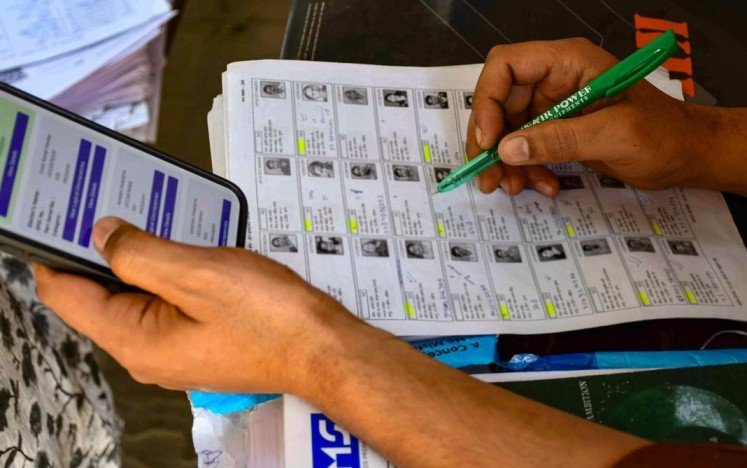
Unlike the regular Summary Revision process, where voters apply for corrections, address changes, or new enrolment, the SIR involves Booth Level Officers (BLOs) conducting door-to-door verification, distributing and collecting enumeration forms, and preparing a fresh draft electoral roll. The 2025 electoral roll serves as the base document, while the 2002 electoral roll—the last time Karnataka underwent an SIR—is being used to compare older voter records with current ones.
The reliance on the 2002 electoral roll has raised several concerns. Citizens who were below 18 years of age in 2002, those who have migrated within Karnataka, or voters whose older records cannot be located may face additional verification. The Election Commission has introduced “progeny mapping,” linking younger voters to their parents’ electoral records to establish continuity, a process that many fear may be difficult for families with incomplete records.
The prescribed documentation has become another point of controversy. The ECI has listed documents such as birth certificates, passports, educational certificates, caste certificates, permanent residence certificates, Forest Rights certificates, land allotment records, and certain government-issued identity documents. However, Aadhaar and ration cards are not accepted as standalone proof during verification. While the Commission states that the list is only indicative and documents are required only if an Electoral Registration Officer issues a notice, many voters remain uncertain about what will ultimately be accepted.
The verification process may also include additional scrutiny under what the ECI terms “logical discrepancy.” These checks can involve inconsistencies such as unusual age gaps within families, differences in names across documents, mismatched family relationships, or other irregularities. Critics argue that the category evolved during a similar exercise in West Bengal and was not part of the original notification, leaving voters uncertain about the standards that may be applied.

Activists warn that the exercise could disproportionately affect migrants, women, Dalits, Adivasis, transgender persons, elderly citizens, rural residents, and economically weaker sections. Women who changed their surnames after marriage, transgender persons who updated their names and gender markers following the Supreme Court’s NALSA judgment, and migrant workers who lack historical electoral records may find it difficult to satisfy verification requirements.
Concerns have also been raised regarding the role of Booth Level Officers. In Karnataka, many BLOs are Anganwadi workers who argue that the additional responsibility increases their workload. Questions have also been raised over whether honorary workers, rather than regular government officers, should be entrusted with responsibilities that could directly affect citizens’ voting rights.
Despite the criticism, the Election Commission maintains that the Special Intensive Revision is intended solely to improve the accuracy and integrity of electoral rolls and ensure that every eligible citizen is able to exercise their democratic right to vote. As the statewide verification continues, the process is expected to remain under close public, legal, and political scrutiny.
Read also : Belagavi Water Crisis Deepens as Tanker Dependence Grows